Fire Alarm Installation & Maintenance
FIRE ALARM INSTALLATION & MAINTENANCE
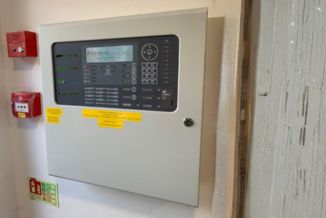
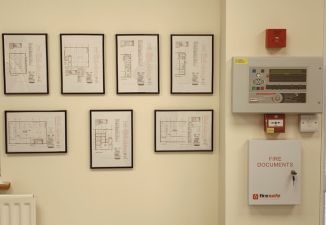
Fire alarm systems are essential for protecting people and property and for meeting UK fire safety regulations in homes, businesses and public buildings. Our qualified team designs, installs and maintains fire alarm systems across Weston-super-Mare, North Somerset and Bristol, helping you choose the right level of protection and keeping you compliant, safe and operational.
Where fire alarms are required
Fire alarm and fire detection systems are required in many types of buildings to ensure life safety and legal compliance under UK fire safety law and British Standards. Examples include:
- Businesses and workplaces: Offices, shops, warehouses, factories and other commercial premises must have appropriate fire detection and warning systems.
- Residential properties: HMOs, rental properties and high-rise flats require suitable fire alarms and smoke detection to protect occupants.
- Public buildings: Schools, hospitals, care homes, hotels and entertainment venues must have correctly specified and maintained fire alarm systems.
- Industrial facilities: Factories, chemical plants and other higher-risk workplaces need more advanced fire detection systems matched to their risks.
- Transport hubs: Airports, train stations and underground stations require robust fire alarms and voice warning systems for public safety.
Does my home need a fire alarm system?
Most homes do not need a full commercial fire alarm system, but they do need adequate fire detection. This typically includes:
- Smoke alarms: At least one on every storey with a habitable room.
- Interlinked alarms: Mains powered with battery backup so that when one sounds, they all sound.
- Heat detectors: Commonly installed in kitchens to reduce false alarms from cooking.
- Correct placement: Smoke alarms should be in circulation spaces such as hallways and landings.
These standards apply to new dwellings, but landlords and homeowners are strongly encouraged to follow them for safety. If you are renting, your landlord is responsible for ensuring alarms are installed, tested and in working order.
Why your business needs a fire alarm
For businesses, fire alarms are not just a precaution – they are a legal requirement. All non-domestic premises must have an appropriate fire detection and warning system so a fire can be detected early and occupants can be warned and evacuated safely. Key reasons include:
- Legal compliance: UK fire safety legislation requires suitable fire detection and warning systems in business premises.
- Safety of employees and customers: A correctly designed system provides early warning and helps protect lives.
- Property and asset protection: Early detection can significantly reduce fire damage and disruption to your business.
- Insurance requirements: Many insurers insist on compliant fire alarm systems as a condition of cover.
- Avoiding penalties: Failure to comply with fire safety regulations can lead to enforcement action, fines or prosecution.
Very small, simple and open-plan premises, where any fire would be immediately obvious, may not need a full panel-based system, but if you store higher-risk materials, have vulnerable occupants or operate in larger, more complex spaces, a properly designed fire alarm system is essential.
Landlords and rental properties
Fire detection and alarm provision is critical in rented and multi-occupancy homes, and systems must be designed and maintained in line with current regulations and BS 5839. In general:
- HMOs: Houses in Multiple Occupation require interlinked alarms and, for larger HMOs, a central fire alarm panel system.
- Rental properties: Landlords must provide working smoke alarms on every storey and heat alarms in kitchens, tested on the day a tenancy starts.
- High-rise flats: Requirements depend on building height, fire strategy and other measures such as sprinklers and evacuation policies.
Ongoing testing, servicing and compliance
Once installed, a fire alarm system must be tested, serviced and recorded correctly to remain compliant and reliable. Typical arrangements include:
- Weekly testing: A responsible person on site tests a different manual call point each week to confirm the sounders and panel operate correctly.
- Six-monthly inspections: A competent contractor carries out a detailed inspection at least every six months, checking detectors, control equipment and power supplies and cleaning devices where necessary.
- Annual service: A full annual service confirms the whole system operates correctly and produces a clear report of any actions required.
- Record keeping: All tests, faults, call-outs and services should be logged in a fire safety logbook and kept available for inspection.
Using a competent, qualified contractor for servicing and inspections helps demonstrate compliance with British Standards and current fire safety regulations.
How AMS Electrical can help
AMS Electrical can manage every stage of your fire alarm system, from initial survey and design to installation, commissioning and ongoing maintenance. We provide clear quotations, phased installation planning and routine testing and servicing to keep your home, business or rental property safe, compliant and ready for inspection.